
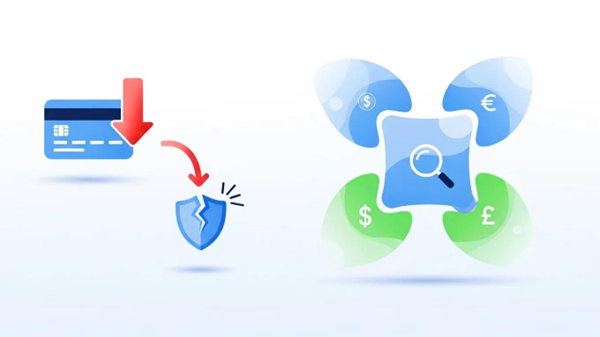
Chargebacks are a central part of payments, especially for merchants in high-risk verticals. They happen when a cardholder disputes a charge and the issuing bank reverses that payment. While chargebacks protect buyers, they also create financial and operational pressure for merchants with elevated dispute rates. Knowing the steps, typical timelines, and what influences outcomes lets merchants build a practical response plan and reduce losses. Below we map the dispute lifecycle, expected durations, key drivers of outcomes, and concrete best practices for handling and preventing chargebacks.
A chargeback is a consumer protection mechanism that lets cardholders dispute unauthorized or unsatisfactory charges. It matters because it preserves trust in payments — but it also introduces financial and operational risk for merchants. Understanding the process helps you safeguard revenue, reduce friction, and maintain good standing with processors and banks.
High-risk merchants often face steeper consequences: higher processing fees, penalties, reserve requirements, or account termination when chargeback rates climb. Repeated disputes can trigger account holds or loss of provider relationships, disrupting cash flow and growth. Managing chargebacks aggressively and preventing root causes is critical for stability.
The chargeback flow contains a few predictable stages. Each step matters: missed deadlines or weak evidence can determine whether you lose funds or recover them.
A chargeback begins when a cardholder disputes a charge — common reasons include suspected fraud, dissatisfaction with a product or service, or a billing mistake. The issuer submits the dispute, which starts the formal process. Knowing why disputes occur helps you reduce triggers before they escalate.
After initiation, your processor notifies you — typically within 1–2 business days. That alert starts the clock, so rapid triage and assignment are critical to gather the right evidence in time.
Merchants usually have 7–14 days to compile a response. This dossier should include transaction records, shipping or fulfillment proof, customer communications, receipts, and any other documentation that proves the charge was valid.
Once submitted, the processor (and ultimately the issuer) reviews the evidence. Review times vary — from days to several weeks — depending on case complexity and workload. Clear, well-labeled evidence speeds evaluation.
The reviewer will either uphold the chargeback, reverse it in your favor, or ask for additional details. Each outcome has direct consequences: a reversal restores funds, while an upheld chargeback means a loss plus any associated fees.
If a chargeback is upheld, you may be able to appeal or pursue arbitration. Appeals require stronger documentation and a clear, logical argument for why the original decision should be overturned.
Duration varies by case, but here are common timeframes to expect:
Several elements can tilt a dispute one way or the other. Focus on the controllable factors to improve results:
Processors are the hub of the chargeback process: they forward notices, collect merchant evidence, and communicate with issuers. They also apply rules and timelines and may recommend next steps. Choosing a processor experienced with high-risk verticals can make dispute handling more efficient.
The timeline breaks down into predictable stages that let you plan resources: initiation, notification, evidence preparation, processor/issuer review, decision, and potential appeal. Anticipating each stage reduces surprises and missed deadlines.
Typical durations to budget for:
Reason codes label the dispute type — fraud, product not received, billing error, etc. They guide how issuers and processors evaluate a case and help you prioritize evidence. Tracking common codes on your account is vital to target prevention and response efforts.
Successful responses combine speed, organization, and clear documentation. Follow these core practices:
Practical habits that improve outcomes:
Operational strategies that reduce disputes:
Frequent errors that lead to unnecessary losses:
Representment is your formal challenge to a chargeback: you submit evidence to show the transaction was valid. If representment fails, arbitration is a last step involving card networks or a neutral third party, and it’s typically more time-consuming and costly. Build representment packets that are concise, factual, and well-organized to improve your chances.
Machine learning and analytics are becoming essential: they help identify fraud patterns and prioritize disputes with the highest chance of recovery.
Machine Learning for Chargeback Risk Prediction & Representment
To catch new fraud methods and emerging chargeback tactics, ML models analyze transaction patterns and flag suspicious attributes — such as anomalous IP locations, unusual purchase behavior, or seeded high-risk signals — which improves representment win rates. These models also adapt over time, helping merchants respond to shifting fraud strategies.
Role of Machine Learning in Predicting Chargeback Risks within Canonical Data Frameworks for Merchant Acquiring Systems, H Yuliastuti, 2024
High-risk merchants should combine technology, process, and customer care to reduce disputes. A balanced program addresses verification, clear policies, proactive outreach, and continuous monitoring.
Practical measures to consider:
Tools and controls that reduce exposure:
Operational habits that reduce friction:
Addressing chargebacks successfully means combining prevention, detection, and effective representment. For high-risk merchants, that means clear customer-facing terms, layered fraud checks, and a rapid-response dispute workflow to protect margins and relationships with processors.
Risk management should include technical controls (fraud tools, monitoring), operational processes (documentation, dispute playbooks), and customer programs (returns, refunds, support) to create a defensible posture.
Chargeback Risk Management & Dispute Resolution for Merchants
Managing high-risk transactions demands a holistic approach. As payment ecosystems and regulations evolve — for example, in markets like Ukraine — merchants must combine technical safeguards with clear policies and dispute workflows. That broader context often shapes chargeback outcomes as much as the immediate case details.
ENHANCING PAYMENT SECURITY IN UKRAINIAN E-COMMERCE: A MODEL-BASED APPROACH TO CHARGEBACK RISK MANAGEMENT, Y TURCHENKO, 2025
Industry data reveals the most frequent dispute drivers, peak fraud windows, and sector-specific trends. Use those insights to prioritize controls where they’ll have the biggest impact — for example, tightening checks on high-value orders or improving fulfillment transparency for physical goods.
Chargebacks are manageable when you treat them as a process: prevent what you can, detect risks early, and build repeatable, evidence-driven responses. For high-risk merchants, the best defense blends clear customer communication, layered verification, disciplined record keeping, and rapid dispute handling. Start with the highest-impact changes — clearer billing descriptors, streamlined support, and structured evidence collection — and iterate from there to reduce losses and protect growth. Discover more strategies to strengthen your chargeback playbook and safeguard your business today.

WhatsApp us