
Payment processing for alcohol and beverage merchants brings unique security and regulatory demands. Strict federal and state rules, along with growing expectations around age checks and fraud prevention, make choosing the right payment stack essential. This guide walks through compliance obligations, age-verification options, fraud-mitigation tactics, and how modern gateways integrate with your systems to keep transactions secure and customers trusted.
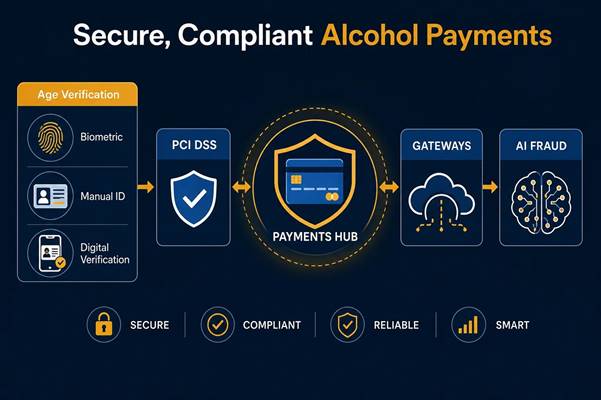
Compliance is non-negotiable for alcohol merchants. Federal and state laws dictate how age verification is performed, how payments are processed, and what records must be kept. Staying compliant means understanding local licensing rules, using approved age checks, and meeting PCI DSS obligations to protect customer card data and reduce regulatory exposure.
Age verification prevents sales to underage buyers and reduces legal risk. Merchants can choose from manual ID checks, digital ID scanning, or biometric solutions — each has specific legal and operational trade-offs. Implement the method that satisfies local regulations and integrates smoothly with your checkout flow to avoid fines and compliance violations.
PCI DSS applies to any merchant accepting card payments, including liquor stores. Key requirements include encrypting cardholder data, securing networks and terminals, keeping systems and software updated, and performing regular vulnerability scans. Meeting PCI standards protects customers and reduces the chance of costly breaches and penalties.
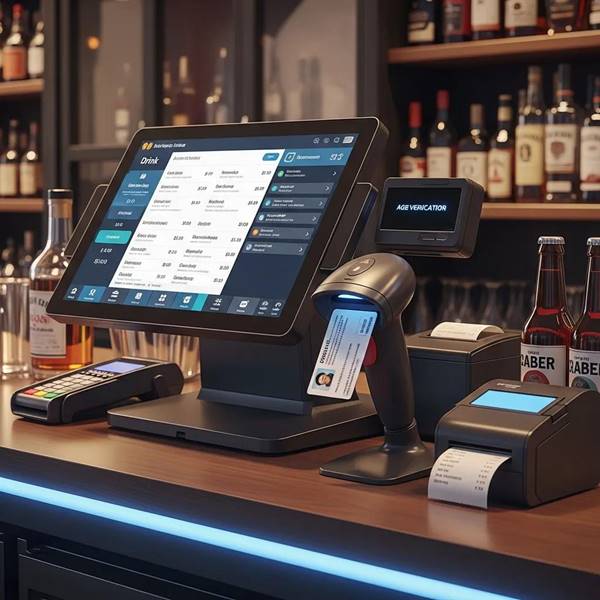
Specialized payment gateways help alcohol merchants accept payments while meeting regulatory requirements. Providers that work with high-risk verticals typically offer features like POS compatibility, built-in age-verification workflows, and enhanced fraud monitoring — all designed to simplify compliance and maintain smooth customer experiences.
Top gateways for alcohol retailers include a focused feature set to support secure, compliant sales:
These capabilities make it easier to meet legal obligations while keeping transactions efficient and reliable.
Many liquor merchants operate with high-risk merchant accounts due to regulatory scrutiny and variable chargeback patterns. These accounts can mean higher fees, stricter underwriting, and tighter processing controls. Working with experienced providers and maintaining transparent operations — clear refund policies, strong age checks, and solid fraud controls — helps secure better terms and long-term stability.

Fraud prevention combines technology, processes, and people. Use layered defenses — transaction monitoring, verified age checks, EMV/contactless terminals, and staff training — to reduce risk and protect both your customers and your bottom line.
AI and machine learning bolster fraud defenses by spotting anomalous patterns across transactions, customers, and devices. These systems can flag suspicious activity in real time, adapt to new threats, and reduce false positives, helping merchants block fraud while preserving legitimate sales.
Reduce payment risk with a few proven practices:
Applying these measures lowers chargebacks, protects customers, and keeps your operations compliant.
Well-integrated payment and POS systems streamline workflows, reduce manual entry errors, and speed up checkouts. Integration also centralizes reporting, so you can manage sales, inventory, and compliance records from a single dashboard.
Integration delivers clear operational benefits:
These advantages help merchants run leaner stores and deliver smoother customer journeys.
Several POS platforms target alcohol retailers with features like integrated age verification, inventory controls for regulated products, and tailored sales reporting. Cloud-based POS solutions are common because they offer real-time data access, easy updates, and interfaces designed for fast-paced retail environments.
Alcohol payment processing is evolving as new tech and regulatory shifts emerge. Expect broader adoption of biometric age checks, deeper AI-driven fraud analytics, and tighter integration between payment vendors and compliance services to keep pace with law changes and consumer expectations.
Biometric solutions — like facial recognition or fingerprint checks — can streamline age verification while providing stronger proof of identity. Where permitted, these methods reduce friction at checkout and improve compliance tracking, though merchants must weigh privacy rules and local law before deployment.
AI will continue to sharpen fraud detection with faster, more contextual scoring and better anomaly detection. As models improve, merchants can expect fewer false declines and quicker responses to new fraud schemes. Staying current with these tools helps protect revenue and customer trust.
Most alcohol merchants accept credit and debit cards, mobile wallets (Apple Pay, Google Pay), and sometimes ACH or direct bank transfers. Some stores also use loyalty or in-house credit programs. Each option carries different fees and compliance needs, so choose payment types that suit your operations and regulatory obligations.
Build trust by making payment security visible and clear. Use encrypted terminals, display your privacy and refund policies, and train staff to handle payments and IDs professionally. Communicate how you protect customer data and follow through with transparent service — that reassures shoppers and encourages repeat business.
Respond quickly: notify your processor, suspend affected accounts, and work with your bank to dispute fraudulent charges. Inform impacted customers, help them secure their accounts, and document the incident for compliance and insurance purposes. Afterward, review gaps in your controls and update processes to prevent recurrence.
Yes — online alcohol sales face distinct rules that vary by state and country. Merchants typically must perform robust age verification, follow shipping restrictions, and hold appropriate licenses for each jurisdiction they serve. Consult local regulations and legal counsel to build compliant e-commerce workflows.
Customer feedback highlights friction points — slow checkouts, confusing age checks, or payment failures — so you can prioritize improvements. Use surveys and transaction data to refine payment flows, add preferred payment options, and address concerns that impact conversions and loyalty.
Technology automates compliance tasks like age verification, recordkeeping, and transaction monitoring. Tools such as digital ID scanning, biometric checks, and real-time analytics reduce manual errors and provide auditable trails that satisfy regulators while streamlining daily operations.
Strong payment processing for alcohol merchants combines compliance, secure technology, and practical operations. By adopting reliable age verification, maintaining PCI standards, and using AI-enabled fraud tools, retailers can protect revenue and customer trust. Keep systems updated, train staff, and partner with payment providers who understand the nuances of alcohol retail to stay compliant and competitive.