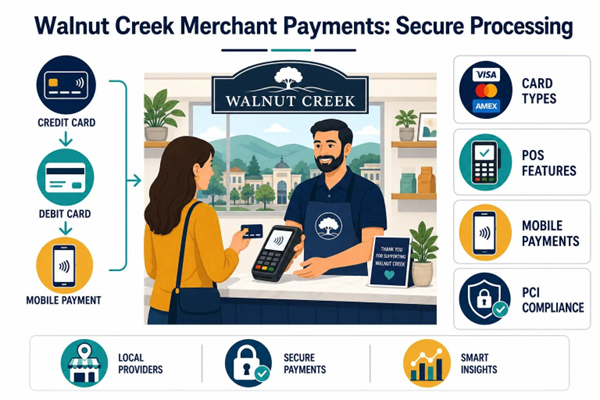
Your clear, practical guide to secure credit card processing and streamlined business payments
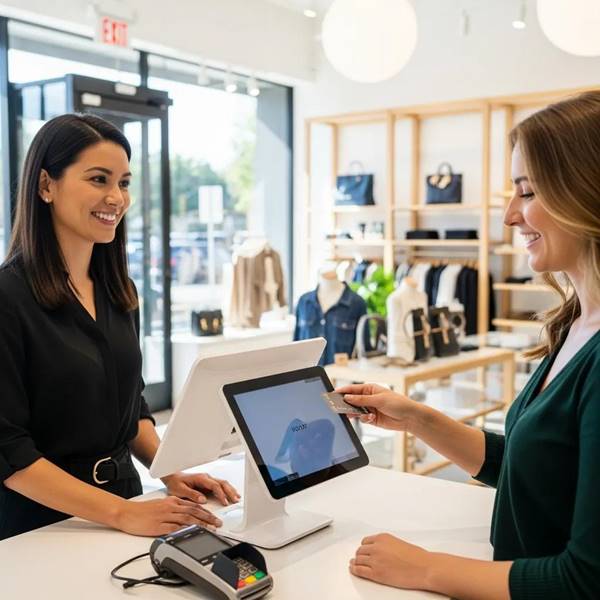
Payments are central to daily operations in Walnut Creek. This guide walks local businesses through the payment solutions that keep sales moving: secure credit card processing, point-of-sale systems, and mobile and contactless options. We focus on practical choices that protect customer data, meet compliance requirements, and make checkout faster and easier.
Read on for our recommendations on credit card processors used locally, POS platform features, contactless and mobile payment options, PCI compliance essentials, and the local merchant account providers worth considering — plus typical fees and setup steps so you can budget and launch with confidence.

Walnut Creek merchants have a range of processors to choose from — national gateways, regional providers, and specialized local firms. The right option depends on your sales volume, preferred payment methods, and how much hands-on support you want.
Fees vary across providers. Many charge a percentage of each sale plus a fixed per-transaction amount, with tiered pricing based on monthly volume or business type. Compare effective rates, monthly minimums, and any hidden costs to understand total processing expense and protect your margins.
Most Walnut Creek processors support the common payment methods customers expect. Typical options include:
Offering multiple payment methods helps reduce abandoned purchases and improves customer satisfaction.
Picking the right POS system saves time and reduces headaches. Look for systems that fit your business size, integrate with your payment processor, and support the day-to-day tasks your team needs.
Top POS platforms typically include:
Choosing a POS with these core features reduces manual work and helps you make informed decisions.
Integration lets your POS communicate directly with your gateway and merchant account so payments clear quickly and records stay consistent. The benefits include:
For larger operations, enterprise POS platforms expand on these capabilities to support omnichannel sales, high transaction volumes, and detailed financial controls.
Enterprise POS Systems: Compliance and Financial Reporting
Enterprise-grade POS platforms now handle vast transaction volumes while supporting multi-channel retail and rigorous financial reporting. As businesses scale, these systems must ensure transaction accuracy, auditability, and compliance with revenue-recognition and regional tax rules. Proper architecture balances speed, data integrity, and regulatory requirements to maintain reliable reporting at scale.

Mobile and contactless payments are now standard. Adopting these methods reduces friction at checkout and meets customer expectations for fast, secure transactions.
Common, widely supported options include:
These methods rely on strong encryption and tokenization, which helps reduce fraud risk.
Mobile payments improve checkout in several ways:
Implementing mobile payment options can increase throughput and customer loyalty over time.
Following Payment Card Industry Data Security Standards (PCI DSS) is essential for any business that accepts card payments. Compliance reduces exposure to breaches and builds customer trust.
Small and mid-size businesses should prioritize practical steps to meet compliance without disrupting operations.
PCI Compliance Tips for Small Businesses
Practical measures—like segmenting networks, using encrypted terminals, and keeping software up to date—make PCI compliance achievable. Regular scans and clear policies for card data handling protect both customers and your business.
PCI Compliance: Understand and implement effective PCI data security standard compliance, B Williams, 2022
Adhering to these standards helps prevent breaches and maintains customer confidence.
Local merchants keep payments secure by following repeatable practices:
These steps reduce risk and simplify compliance obligations.
Walnut Creek businesses can choose local providers or national firms with local support. Local providers often deliver faster service and solutions tailored to neighborhood needs.
Those advantages can translate into smoother operations and stronger relationships.
Testimonials often highlight the value of local support: faster issue resolution, personalized recommendations, and measurable improvements in processing reliability. When testimonials note improved uptime or clearer billing, they point to stronger ROI and better day-to-day operations.
Reviewing local feedback is a practical way to vet potential partners.
Understanding typical fees and the setup process helps you compare providers and budget correctly.
Common fee types include:
Ask providers for a clear example of your expected monthly cost so you can compare apples to apples.
Following these steps helps ensure a smooth, secure launch.
Evaluate transaction costs, processing speed, integration options with your POS and shopping cart, and the gateway’s security features like tokenization and fraud detection. A gateway that’s easy for customers and for your team to use reduces errors and abandoned sales.
Yes. Mobile payments must follow PCI standards and often use tokenization to reduce exposure of card data. Depending on where you operate, privacy laws may also apply, so keep software patched, perform regular security checks, and follow regional data-protection rules.
Use POS analytics to track best-selling items, peak hours, and customer preferences. These insights guide inventory ordering, staffing schedules, and targeted promotions that increase sales and reduce waste.
Payment-linked loyalty programs make earning and redeeming rewards seamless, increasing repeat visits. Integrated programs also give you customer data that supports personalized offers and more effective marketing.
Seasonal spikes increase transaction volume and may require temporary capacity or staffing adjustments. Prepare by confirming your processor can handle peak loads and by reviewing fees tied to volume or chargebacks during busy periods.
Common issues include unclear fees, slow support response, and restrictive contract terms. To avoid surprises, read contracts carefully, request a full fee breakdown, and ask for references from other local businesses.
Choosing the right merchant payment services helps Walnut Creek businesses protect customer data, speed up checkout, and reduce operational friction. Prioritize transparent pricing, PCI-compliant technology, and strong local support to get the best results. Explore tailored merchant solutions to streamline payments and strengthen your business operations.