High‑risk payment gateways are purpose‑built processors for businesses that face higher chargeback or regulatory risk—think e‑commerce merchants, online gaming platforms, and certain financial services. These gateways help merchants who struggle to secure standard banking relationships by offering specialized underwriting, risk controls, and integrations. This article breaks down what high‑risk gateways do, why they matter, how to compare vendors, and what to expect from fees and the application process so you can choose the right solution for your business.
Key Takeaways
- High‑risk payment gateways enable businesses operating in higher‑risk categories to accept card payments safely.
- High‑risk merchant accounts let merchants process transactions even when traditional banks won’t underwrite them.
- Common high‑risk industries include e‑commerce, online gaming and betting, and many financial services.
- Compare processors by looking at fees, feature sets, underwriting terms, and the quality of support.
- Look for transparent pricing, strong security, and fraud‑prevention tools when choosing a gateway.
- Typical costs include per‑transaction fees, setup charges, and chargeback fees—amounts vary by provider.
- Approval often requires detailed documentation and can be affected by credit history and business model.
- Security and compliance—PCI, AML, and fraud detection—are non‑negotiable for high‑risk gateways.
- Most high‑risk gateways support multi‑currency and cross‑border transactions but may impose extra regulatory requirements or fees.
What Are High‑Risk Payment Gateways and Merchant Accounts?
High‑risk
payment gateways are payment platforms tailored to businesses facing above‑average chargebacks, fraud exposure, or regulatory scrutiny. They process online payments while applying stricter risk controls and monitoring. Merchant accounts are the bank relationships that accept card payments on a merchant’s behalf. Together, a high‑risk gateway and a corresponding merchant account let businesses operate online even when standard processors decline them.
Defining High‑Risk Merchant Accounts and Their Importance
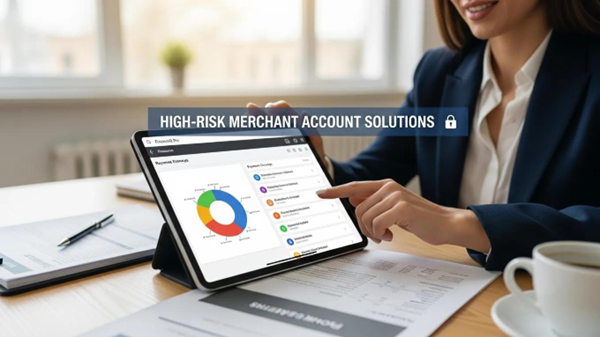 high-risk merchant accounts
are structured to accommodate businesses with higher chargeback tolerances or more complex compliance needs. They typically include tailored underwriting, more active monitoring, and enhanced fraud tools. For businesses in restricted industries, these accounts are essential—without them, you may be unable to accept card payments or scale reliably.
Which Industries Are Considered High Risk for Payment Processing?
Many business types fall into the high‑risk category, including:
- E‑commerce stores: Online sellers often see higher return and dispute rates than brick‑and‑mortar merchants.
- Online gaming and betting: Regulatory scrutiny and refund patterns raise risk for processors.
- Financial services: Lenders, credit services, and certain investment platforms carry added financial and regulatory risk.
Knowing whether your industry is typically classified as high risk helps you target the right payment partners and prepare the correct documentation.
How to Compare the Best High‑Risk Payment Processors?

When evaluating high‑risk payment processors, focus on a few core areas:
- Pricing and fees: Compare transaction rates, monthly minimums, setup costs, and chargeback fees to understand total cost.
- Features and flexibility: Check for chargeback management, built‑in fraud detection, recurring billing, and multi‑currency support.
- Customer support and underwriting: Fast, knowledgeable support and clear underwriting terms reduce surprises during onboarding and growth.
Assessing these factors side‑by‑side will help you identify a processor that fits your operational needs and risk profile.
High Risk Pay specializes in payment processing for merchants labeled high risk and businesses with impaired credit. They provide tailored underwriting and solutions designed to get merchants approved and processing while managing elevated risk.
Key Features to Evaluate in High‑Risk Payment Gateways
When choosing a gateway, prioritize features that protect revenue and reduce friction:
- Transparent pricing: Clear fee structures and contract terms so there are no hidden costs.
- Security features: Strong encryption, tokenization, and active PCI compliance support.
- Customer support: Responsive, knowledgeable teams available for underwriting, disputes, and technical issues.
These capabilities help you keep payments flowing while limiting fraud and disputes.
| Feature |
Description |
Importance |
| Transparent Pricing |
Clear fee structure without hidden costs |
High |
| Security Features |
Robust measures to protect transactions |
High |
| Customer Support |
Availability of assistance for merchants |
Medium |
Typical Fees and Pricing Structures for High‑Risk Processing
High‑risk processing usually involves several fee types you should budget for:
- Transaction fees: Charged per sale and often higher for high‑risk accounts.
- Setup fees: One‑time onboarding costs some providers require.
- Chargeback fees: Fees when a customer disputes a charge; these can add up quickly if not managed.
Compare providers on total cost of ownership, not just headline rates.
What Are the Approval and Application Processes for High‑Risk Merchant Accounts?
Getting approved for a
high‑risk merchant account usually takes more documentation and scrutiny than a standard account. Typical steps include:
- Research and choose a provider: Find processors experienced with your industry and compliant with relevant regulations.
- Prepare documentation: Gather business licenses, financial statements, processing history, and IDs.
- Submit application: Complete the application and respond promptly to underwriting requests.
Clear, complete documentation speeds approval and reduces the chance of follow‑up requests.
Step‑by‑Step Guide to Applying for High‑Risk Payment Gateways
Follow this straightforward workflow to improve your approval odds:
- Identify providers: Target processors that list your vertical and have relevant case studies.
- Prepare documentation: Assemble financials, contracts, refund policies, and proof of business activity.
- Submit application: Apply and be ready to answer underwriting questions quickly and transparently.
A structured approach reduces delays and helps you get live faster.
How Credit History and Industry Risk Affect Approval Times
Your credit history and the inherent risk of your industry both shape approval timelines and terms. Poor credit or a very high‑risk model can mean longer reviews, higher reserves, or steeper fees. Conversely, clear financials and strong compliance practices can speed underwriting and unlock better pricing.
How Do Security and Compliance Impact High‑Risk Payment Gateways?
Security and regulatory compliance are central to high‑risk payment operations. Processors must follow PCI requirements, anti‑money‑laundering rules, and local regulations. Failure to comply can lead to fines, frozen accounts, or termination—so pick partners that prioritize compliance and provide tools to help you meet standards.
Essential Security Features and Fraud Prevention Technologies
Important security and fraud tools include:
- PCI compliance support: Guidance and services that help you stay compliant with card‑holder data standards.
- Fraud detection tools: Machine learning, velocity checks, and device fingerprinting to spot suspicious activity.
- Encrypted transactions: TLS/SSL, tokenization, and data encryption to protect payment data.
These measures protect your customers and reduce the financial impact of disputes and breaches.
Compliance Requirements for High‑Risk Payment Processing

Compliance for high‑risk processing depends on your industry and where you do business. Key considerations include:
- Regulatory standards: Follow local and international laws that govern payments and consumer protections.
- Compliance measures: Implement policies and controls—KYC, AML, and PCI—to satisfy regulators and partners.
- Impact on processing: Compliance affects fees, settlement timelines, and the types of transactions you can accept.
Staying proactive about compliance reduces interruptions and protects your reputation.
Frequently Asked Questions
1. What are the common challenges faced by high‑risk businesses when selecting a payment gateway?
High‑risk merchants often face limited provider options, higher processing costs, and stricter underwriting. They also contend with
chargeback management and tighter fraud controls. Finding a provider that understands the vertical, offers transparent terms, and provides solid support is essential but can require careful research.
2. How can businesses reduce chargebacks when using high‑risk payment gateways?
Reduce chargebacks by setting clear product descriptions and return policies, using strong fraud detection tools, and keeping detailed transaction and communication records. Prompt, helpful customer service and easy refund processes also lower dispute rates.
3. Are there specific regulations that high‑risk payment processors must comply with?
Yes. Processors typically must follow PCI DSS for card security and may also need to meet AML/KYC requirements and local financial regulations. Compliance varies by region and industry, so work with a provider familiar with your regulatory landscape.
4. What role does customer support play in high‑risk payment processing?
Customer support is critical. High‑risk merchants need quick, knowledgeable help for underwriting questions, chargebacks, and technical issues. A responsive support team can prevent downtime, resolve disputes faster, and guide you through compliance requirements.
5. How do high‑risk payment gateways handle international transactions?
Most high‑risk gateways support multi‑currency processing and international settlement, often through global banking partnerships. Be aware of currency conversion fees, cross‑border charges, and additional regulatory requirements for international transactions.
6. What are the implications of a poor credit history on high‑risk payment processing?
Poor credit can lead to slower approvals, higher reserves, stricter terms, or outright application denial. Some providers specialize in working with merchants who have imperfect credit, but expect closer scrutiny and potentially higher costs.
7. Can high‑risk payment gateways integrate with existing e‑commerce platforms?
Yes—many high‑risk gateways offer plugins and APIs for common e‑commerce platforms and shopping carts. Before committing, confirm compatibility with your stack and check what technical support the gateway provides for integration.
Conclusion
Selecting the right high‑risk payment gateway is a business decision that balances cost, security, and operational fit. By prioritizing transparent pricing, strong compliance, and proven fraud protections, you can accept payments reliably while managing the elevated risks in your industry. Explore our full guide to high‑risk payment processors to find solutions tailored to your needs and keep your business moving forward.